

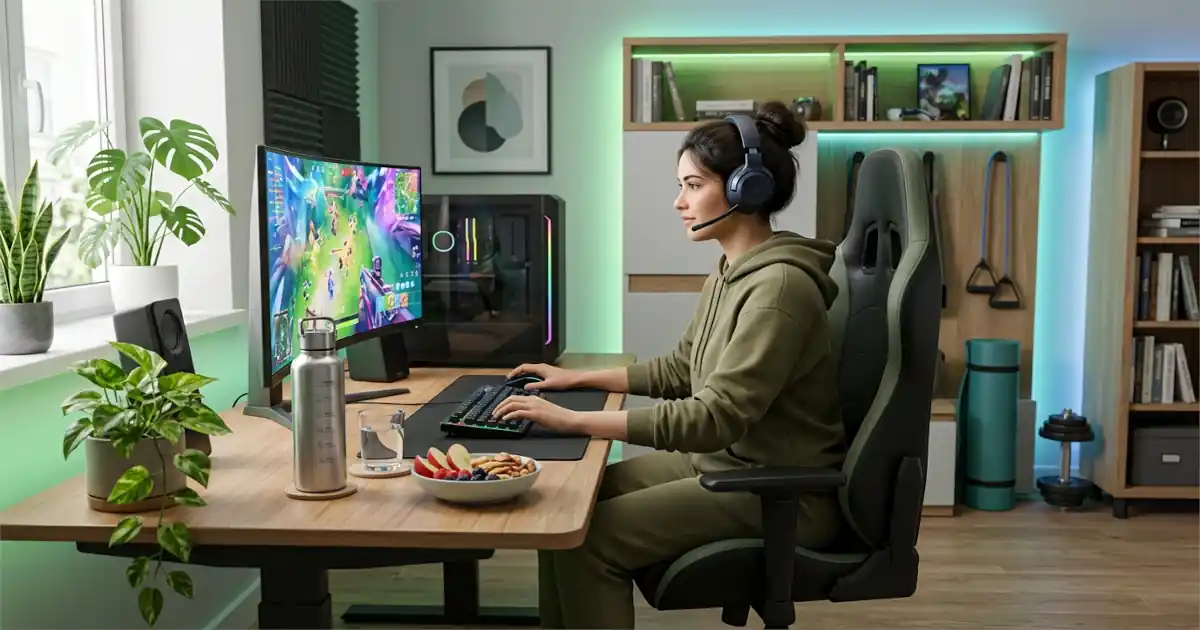
Gaming rewards focus, skill, and creativity. Long sessions also strain your body and mind. This guide explains undergrowthgames health in simple terms. You will learn how to protect your eyes, posture, hands, sleep, and mood. Each tip uses small changes that fit into any schedule. Follow these steps, and you will play longer, feel better, and enjoy every match more.
Why Gamer Wellness Matters
Many players sit for hours without moving. Sitting that long tightens muscles, slows circulation, and drains energy. Screens add eye strain, while late nights disrupt sleep. These problems build slowly, so most players ignore them until pain appears. Early habits prevent most of these issues. A few minutes of daily care protects your health and your performance.
Health also shapes skill. Tired eyes miss targets, and sore wrists slow your reactions. A foggy mind makes poor decisions under pressure. Professional esports teams now hire trainers, nutritionists, and psychologists for this reason. You can borrow their methods at home. Better health gives you faster reflexes, sharper focus, and steadier emotions during tough matches.
Protect Your Eyes From Screen Strain
Your eyes work hard during every session. They track motion, judge distance, and process bright light for hours. Digital eye strain causes dryness, headaches, and blurry vision. Most players blink less while gaming, and that dries the eye surface. Simple habits reduce this strain quickly. Start with the techniques below.
Follow the 20-20-20 Rule
Set a timer for every twenty minutes of play. Look at something twenty feet away for twenty seconds. This short pause relaxes the focusing muscles inside your eyes. Many players forget the rule, so use a phone alarm or a free reminder app. Consistency matters more than perfection. Even a brief glance out the window helps your eyes recover.
Adjust Your Screen Settings
Match your screen brightness to the room around you. A bright monitor in a dark room strains your eyes fast. Lower the blue light in the evening with a night mode filter. Place the monitor about an arm’s length away. Tilt the top edge slightly back, so your gaze falls a little downward. Clean the screen regularly to remove glare and fingerprints.
Fix Your Posture and Protect Your Back
Poor posture causes more gaming pain than any other habit. Slouching compresses your spine and tires your neck. Leaning toward the screen strains your shoulders. Over months, these habits create chronic aches. You can prevent them with a better setup and regular movement. This section shows you how.
Set Up Your Chair and Desk
Sit with your feet flat on the floor. Keep your knees at a right angle. Press your lower back against the chair support. Raise or lower the desk until your elbows rest near ninety degrees. Place the monitor so the top sits at eye level. A good chair costs money, but a rolled towel behind your back works as a budget fix.
Stretch During Every Break
Stand up between matches and move your body. Roll your shoulders backward ten times. Tilt your head gently toward each shoulder. Stretch your arms overhead and twist your torso slowly. Walk around the room for a minute. These small movements restore blood flow and release tension. They take under two minutes, yet they prevent hours of stiffness later.
Care for Your Hands, Wrists, and Fingers
Gamers repeat the same motions thousands of times per session. Clicking, tapping, and gripping strain tendons in the hands. Repetitive strain injuries often start as mild tingling or numbness. Ignoring these signals lets the damage grow. Treat early symptoms seriously. Rest your hands, and adjust your setup before pain becomes constant.
Keep your wrists straight while you type or click. Avoid resting them on sharp desk edges. Choose a mouse that fits your hand size, and loosen your grip. Hold your controller lightly instead of squeezing it. Shake out your hands every half hour. Try gentle wrist circles and finger stretches. If numbness lasts for days, see a doctor promptly.
Sleep Well to Play Well
Sleep powers your memory, reflexes, and mood, so undergrowthgames health starts at bedtime. Most adults need seven to nine hours each night. Late-night gaming cuts that time short. Bright screens also delay the body’s natural sleep signals. You then wake tired and play worse the next day. A steady sleep routine solves this problem and improves your results.
Stop playing at least an hour before bed. Dim the lights and switch to calmer activities. Keep your bedroom cool, dark, and quiet. Avoid caffeine after mid-afternoon, since it lingers in your body for hours. Wake up at the same time each day, even on weekends. Your body will adjust within a couple of weeks. Better sleep makes every session more productive.
Eat and Drink for Better Performance
Food fuels your brain as much as your body, and it shapes undergrowthgames health daily. Sugary snacks and energy drinks give a quick spike, then a hard crash. That crash ruins your focus mid-match. Choose steady fuel instead. Whole grains, nuts, fruit, eggs, and lean protein keep your energy level stable. Prepare snacks before you start so you avoid impulse choices.
Hydration matters just as much. Even mild dehydration reduces concentration and causes headaches. Keep a water bottle within reach and sip often. Aim for clear or pale yellow urine as a simple check. Limit energy drinks, because high caffeine raises your heart rate and increases anxiety. Replace one sugary drink per day with water, and notice the difference in your focus.
Protect Your Mental Health
Games challenge your mind, and they also test your temper. Losing streaks, toxic chat, and constant competition build stress. Healthy players manage these pressures actively. They notice their emotions early and respond with simple tools. Mental wellness belongs in every discussion of undergrowthgames health, since a calm mind improves every other habit you build.
Manage Frustration and Stress
Notice the signs of tilt before they spiral. Clenched jaws, racing thoughts, and angry typing all signal trouble. Pause the game when you see them. Breathe in for four seconds, hold for four, and exhale for six. Repeat this several times. Step away for ten minutes if needed. Returning calm beats forcing another match while angry.
Build Healthy Social Connections
Gaming connects people across the world. Friendly teammates make losses easier and wins sweeter. Join communities that value respect and humor. Mute or block toxic players without guilt. Talk to friends about your stress instead of hiding it. Schedule time away from screens to meet people in person. Balanced social life protects you from isolation and burnout.
Build a Sustainable Gaming Routine
A routine turns good intentions into lasting habits. Without structure, one more match easily becomes five hours. Plan your sessions the way athletes plan training. Set a start time and an end time. Add breaks to the schedule before you begin. Treat these breaks as part of the game, not interruptions to it.
Try a simple pattern. Play for fifty minutes, then rest for ten. Use the rest to stretch, drink water, and rest your eyes. After two or three cycles, take a longer break away from screens. Track your habits for a week in a notebook. You will quickly see which changes help. Adjust the plan until it feels natural and easy.
Your Undergrowthgames Health Checklist
Use this checklist to review your habits each week. Check how many items you already follow. Then pick one or two to improve. Small steps work better than a complete overhaul. Progress builds confidence and keeps you motivated.
- Follow the 20-20-20 rule during every session.
- Adjust screen brightness and distance for comfort.
- Sit with your back supported and feet flat.
- Stretch your neck, shoulders, and wrists every hour.
- Sleep seven to nine hours on a regular schedule.
- Drink water and eat balanced snacks.
- Pause the game when frustration rises.
- Exercise for thirty minutes on most days.
- Spend time with friends away from the screen.
Review the list on the same day each week. Celebrate improvements, even small ones. If a habit feels hard, break it into a smaller step. For example, begin with one stretch break instead of five. Consistency matters far more than intensity.
When to Seek Professional Help
Self-care solves many problems, but not all of them. See a doctor if pain lasts more than a few days. Seek help for numbness, vision changes, or frequent headaches. An eye exam every year or two catches problems early. A physical therapist can correct posture and treat repetitive strain. These professionals save you months of discomfort.
Final Thoughts on Healthy Gaming
Healthy gaming does not mean playing less. It means playing smarter. Protect your eyes, support your spine, rest your hands, sleep well, eat sensibly, and care for your mind. Each habit strengthens the others. Together they build a foundation for long, enjoyable play. Start with one change today, and add another next week.
Treat undergrowthgames health as an ongoing journey rather than a quick fix. Your body will thank you, your skills will improve, and your enjoyment will grow. Gamers who invest in wellness play with more energy and fewer injuries. Take the first step now, and keep moving forward one healthy session at a time.
READ ALSO: How to Improve LCFTechMods: A Practical Guide to Faster, Safer, Better Mods









Leave a Reply