

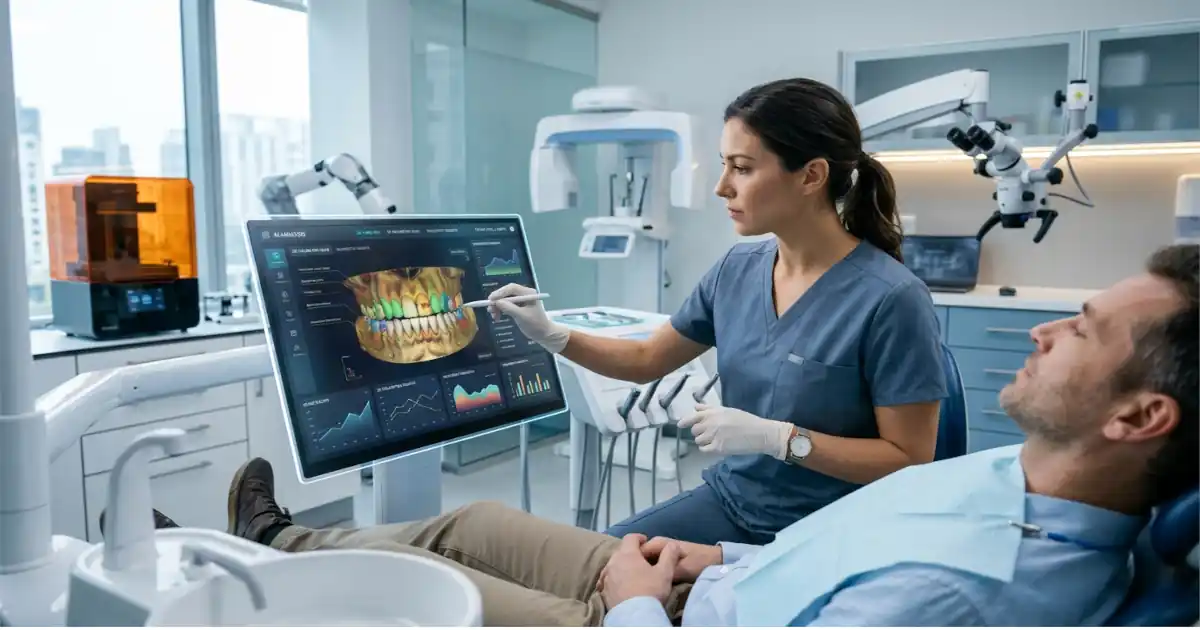
Dental care is changing fast. Artificial intelligence now helps dentists find problems earlier, plan treatments better, and care for patients with more precision. Nerovet AI smart dentistry represents this shift toward technology-driven oral health. This guide explains how it works, why it matters, and what patients can expect.
What Is Nerovet AI Smart Dentistry?
Nerovet AI smart dentistry combines artificial intelligence with everyday dental practice. The goal is simple. Dentists receive faster, clearer information, and patients receive safer, more comfortable care.
Traditional dentistry relies heavily on the dentist’s eyes, hands, and experience. Those skills remain essential. AI adds a second layer of analysis. It studies images, patterns, and patient records in seconds. Dentists then use those insights to make confident decisions.
Smart dentistry also connects tools that once worked alone. Scanners, X-ray machines, and patient software share data in one system. This connection reduces errors and saves time. Patients notice shorter visits and clearer explanations.
How AI Fits Into the Dental Office
AI does not replace the dentist. It supports the dentist. The software reviews data and highlights areas that need attention. The dentist then confirms the findings and chooses the best treatment.
Many practices already use AI in small ways. Some tools flag cavities on X-rays. Others measure bone levels around teeth. A few predict which patients face a higher risk of gum disease. Each tool saves time and improves accuracy.
Why Dentistry Needs Smarter Technology
Dental problems often start silently. A tiny cavity causes no pain. Early gum disease rarely hurts. By the time symptoms appear, treatment becomes harder and more expensive.
Human eyes sometimes miss early warning signs. Fatigue, busy schedules, and subtle image details all play a role. AI does not tire. It scans every image with the same attention. This consistency helps catch problems at the earliest stage.
Patients also want better experiences. Many people fear the dentist. Long waits, unclear plans, and surprise costs increase that anxiety. Smart tools address these frustrations directly. They speed up diagnosis, explain results visually, and make treatment plans transparent.
Key Benefits of AI in Dentistry
AI brings clear advantages to both dentists and patients. The sections below cover the most important ones.
Earlier and More Accurate Diagnosis
AI systems learn from thousands of dental images. They recognize patterns that signal decay, infection, or bone loss. The software marks suspicious areas on the screen. Dentists then review those marks carefully.
Early detection changes outcomes. A small cavity needs a simple filling. A neglected cavity may need a root canal or a crown. Catching problems sooner protects teeth and saves money.
Personalized Treatment Plans
Every mouth is different. AI analyzes a patient’s anatomy, history, and habits. It then suggests treatment options that fit that person. Dentists adjust the plan based on professional judgment and patient preferences.
Personalized plans improve results. They also help patients understand their choices. A clear, tailored plan builds trust between patient and dentist.
Faster and More Comfortable Visits
Digital tools cut chair time. Intraoral scanners replace messy impression trays. AI software processes scans within minutes. Patients leave sooner and feel less discomfort.
Comfort matters for anxious patients. Quick scans, gentle devices, and clear communication reduce stress. Many patients report that digital visits feel calmer than traditional ones.
Better Preventive Care
Prevention is the best form of dentistry. AI helps dentists predict risk. The software reviews age, diet, habits, and past treatments. It then estimates the chance of future problems.
Dentists use these predictions to guide prevention. They may recommend more frequent cleanings or special products. They may also suggest changes in home care. Patients who prevent problems avoid painful and costly treatments.
Core Technologies Behind Smart Dentistry
Several technologies power this new approach. Each plays a distinct role in the patient journey.
AI-Powered Imaging and X-Ray Analysis
Imaging sits at the heart of modern diagnosis. AI reads bitewing, panoramic, and 3D scans. It highlights cavities, fractures, and bone changes. It also measures distances and angles with high precision.
Dentists still make the final call. However, the software gives them a reliable second opinion. This teamwork reduces missed findings and improves confidence.
Digital Scanning and 3D Modeling
Digital scanners create exact 3D models of teeth and gums. These models guide crowns, aligners, implants, and dentures. AI refines the models and checks the fit before production.
Precise models mean better restorations. Crowns fit snugly. Aligners move teeth predictably. Implants sit in the safest position. Patients enjoy stronger, longer-lasting results.
Predictive Analytics
Predictive tools study large sets of dental data. They find trends that humans might overlook. A practice can learn which patients need follow-up soon. It can also spot common problems in its community.
This knowledge improves planning. Offices schedule care more efficiently. Patients receive reminders at the right time. Everyone benefits from a smoother workflow.
Smart Practice Management
AI also supports the business side of dentistry. It automates appointment reminders, billing, and insurance checks. It answers common questions through chat tools. Staff then spend more time with patients.
Efficient management reduces waiting times. It also lowers administrative errors. A well-run practice feels welcoming and professional.
What Patients Can Expect From Nerovet AI Smart Dentistry
Patients often ask what changes in the chair. The answer is simple. The experience feels more visual, more informative, and more personal. During an exam, the dentist may show images on a screen. AI highlights problem areas in clear colors. You see exactly what the dentist sees. This transparency removes guesswork and builds understanding.
Treatment discussions also change. The dentist explains options using digital models and simulations. You can preview possible results before treatment begins. This preview helps you decide with confidence. Follow-up care becomes easier too. Digital records track your progress over time. The dentist compares new scans with old ones. Small changes become visible early.
Addressing Common Concerns
New technology raises questions. Patients deserve honest answers.
Will AI Replace My Dentist?
No. AI cannot replace human judgment, empathy, or manual skill. It handles data analysis. Your dentist handles diagnosis, communication, and treatment. The two work together.
Is My Data Safe?
Data protection is critical. Reputable dental practices follow strict privacy laws. They encrypt records and limit access. Patients should ask how their practice stores and protects information. A good dentist answers openly.
Is Smart Dentistry More Expensive?
Costs vary by practice. Some digital tools carry higher upfront costs. However, early detection often reduces long-term spending. Fewer emergency visits and simpler treatments save money over time. Ask your dentist about pricing before you start.
How Accurate Is AI?
AI accuracy depends on the quality of its training and the data it receives. Well-designed systems perform very well. Still, no tool is perfect. That is why dentists review every result personally.
The Future of AI in Dental Care
The next decade will bring more change. AI will grow more accurate and more accessible. Smaller practices will gain tools once reserved for large clinics.
Teledentistry will expand. Patients may upload photos from home, and AI will flag urgent concerns. Dentists can then prioritize care for those who need it most. Robotics may also play a larger role. Robotic guidance already assists some implant procedures. Future systems may support precise drilling and shaping. Dentists will remain in control, but their tools will become sharper.
Personalized prevention will improve as well. Wearable devices and smart toothbrushes already collect oral health data. AI will combine that information with clinical records. Dentists will then offer truly tailored advice. Nerovet AI smart dentistry points toward this connected future. Patients, dentists, and technology will work as one team. Care will become more proactive, more precise, and more comfortable.
Tips for Choosing a Smart Dental Practice
Patients can take simple steps to find a modern, reliable dentist. Use the following checklist.
- Ask which digital tools the practice uses.
- Request an explanation of how those tools improve your care.
- Check reviews for comments about comfort and communication.
- Confirm that the practice protects patient data.
- Look for dentists who keep learning and training.
A practice that welcomes questions usually delivers better care. Trust your instincts. Choose a team that listens, explains, and respects your time.
Final Thoughts
Technology is reshaping dentistry for the better. AI helps dentists see more, plan better, and treat with greater care. Patients gain earlier diagnoses, clearer explanations, and more comfortable visits. Nerovet AI smart dentistry shows how powerful this partnership can be. It keeps the human touch at the center while adding intelligent support. If you value prevention, clarity, and comfort, smart dentistry deserves your attention. Book a consultation with a forward-thinking dentist today. Ask about digital imaging, personalized plans, and preventive tools. Your healthiest smile may begin with a smarter approach to care.
READ ALSO: How Much Mogothrow77 Software Is Open Source? A Practical Guide









Leave a Reply