

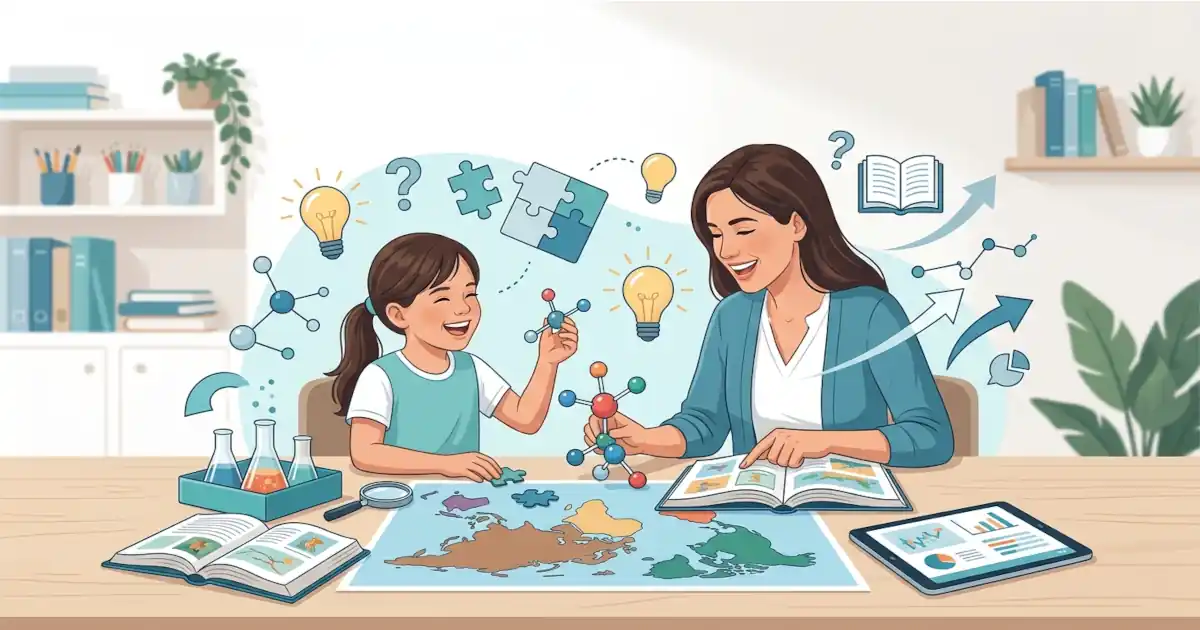
Parents shape how children learn every single day. Active learning turns passive study into real engagement. This guide shares practical active learning fparentips for busy families. You will find simple strategies that fit into daily routines.
What Is Active Learning?
Active learning means children participate instead of just listening. Kids ask questions, solve problems, and explore ideas. They build knowledge through hands-on activities. Traditional learning often relies on memorization alone. Active learning pushes children to think critically instead. Research shows active methods boost retention significantly. Students remember concepts better when they practice them. Passive listening fades from memory within days. Active engagement, however, creates lasting understanding. This is why active learning fparentips matter so much today.
Why Parents Should Care About Active Learning
Parents play a huge role in a child’s education. Schools cannot do everything alone. Home reinforcement strengthens what children learn in class. Kids who practice active learning at home perform better academically. Active learning also builds confidence in children. They learn to trust their own thinking. This confidence extends beyond academics into daily life. Children become better problem solvers overall. They approach challenges with curiosity instead of fear. Emotional development improves too. Active learning encourages collaboration and communication. Kids learn to express ideas clearly. They also learn to listen to others’ viewpoints. These skills matter throughout their entire lives.
Core Principles Behind Active Learning
Understanding the basics helps parents apply these methods correctly. Active learning rests on a few key principles.
Engagement Over Passivity
Children must do something with information. Reading alone rarely builds deep understanding. Writing, discussing, or building reinforces learning far better. Encourage your child to explain concepts aloud. This simple habit strengthens memory significantly.
Real-World Connections
Learning sticks when it connects to real life. Show children how math applies to cooking. Link science lessons to everyday weather patterns. These connections make abstract ideas feel relevant. Children stay motivated when learning feels useful.
Mistakes Are Part of Growth
Active learning embraces trial and error. Children should feel safe making mistakes. Correct gently without discouraging effort. This approach builds resilience over time. Kids learn that failure leads to improvement.
Practical Active Learning Fparentips for Home
Parents often wonder where to start. These simple methods offer a clear starting point.
Turn Reading Into Discussion
Do not just read stories to your child. Ask questions before, during, and after reading. Ask what might happen next in the story. Discuss character choices and consequences. This transforms passive reading into active thinking.
Use Hands-On Projects
Building and creating engage multiple senses. Try simple science experiments at home. Use household items for creative projects. Hands-on work cements abstract concepts firmly. Children remember what they build far longer than what they read.
Encourage Teaching Moments
Ask your child to teach you something new. Teaching forces deeper understanding of material. It also boosts a child’s confidence instantly. This method works well for any subject. Try it with math homework or science facts.
Incorporate Games Into Learning
Games make active learning fun and effective. Board games teach strategy and patience. Card games build quick math skills. Word games expand vocabulary naturally. Choose games that match your child’s interests.
Set Up Learning Stations
Create dedicated spaces for different activities. One station could focus on reading. Another might handle art or building projects. Rotating stations keeps children engaged longer. This structure also builds independence over time.
Age-Specific Active Learning Strategies
Different ages need different approaches. Tailor your methods to your child’s developmental stage.
Toddlers and Preschoolers
Young children learn best through play. Use sensory activities like sand or water play. Sing songs that involve counting or letters. Keep sessions short and highly interactive. Attention spans at this age remain limited.
Elementary School Children
Older children can handle more structured tasks. Introduce simple science experiments and puzzles. Encourage journaling about daily experiences. Ask open-ended questions during homework time. This age group benefits from guided independence.
Middle and High School Students
Teenagers need autonomy in their learning process. Let them choose project topics they enjoy. Encourage debates on relevant current events. Support group study sessions with peers. Respect their growing need for independent thinking.
Common Mistakes Parents Make
Even well-meaning parents sometimes get it wrong. Avoid these common pitfalls when applying active learning fparentips.
Doing Too Much for the Child
Parents often jump in to fix problems quickly. This habit prevents children from struggling productively. Struggle builds important problem-solving skills. Step back and let children attempt solutions first.
Focusing Only on Grades
Grades matter, but they are not everything. Overemphasis on scores creates unnecessary pressure. Focus instead on effort and understanding. Praise the process, not just the outcome.
Ignoring Individual Learning Styles
Every child learns differently from others. Some children prefer visual methods. Others learn better through movement or sound. Observe your child’s preferences closely. Adjust your approach based on what works.
Tools and Resources That Support Active Learning
Many tools can strengthen active learning at home. Choose resources that match your child’s needs.
Educational Apps
Interactive apps make learning feel like play. Look for apps with problem-solving elements. Avoid apps that only reward passive tapping. Quality matters more than screen time alone.
Library Programs
Local libraries often host learning workshops. These programs encourage social and academic growth. Many are free and easy to access. Check your community library’s event calendar regularly.
Educational Kits
Science and art kits offer structured hands-on fun. They guide children through active experimentation. These kits work well for weekend projects. Choose kits that match your child’s current interests.
Building a Long-Term Active Learning Habit
Consistency matters more than intensity. Short, regular sessions beat occasional long ones. Build active learning into your family routine. Even fifteen minutes daily creates real progress over time. Track your child’s interests as they grow. Adjust activities to match changing preferences. Flexibility keeps the learning experience fresh. Children stay engaged when activities evolve with them. Celebrate small wins along the way. Recognition motivates continued effort and curiosity. Positive reinforcement strengthens the active learning habit. This approach builds lifelong learners, not just good students.
Measuring Progress Without Overwhelming Your Child
Parents want to see results from their efforts. Avoid turning progress checks into stressful tests. Instead, observe how your child explains concepts. Listen for confidence and clarity in their words. Watch for increased curiosity about new topics. Notice if your child asks more questions. These signs indicate active learning is working well. Formal tests are not the only measure of growth.
Involving the Whole Family in Active Learning
Siblings can learn well together. Older kids often enjoy guiding younger ones. This builds patience and leadership skills. Younger children benefit from close peer modeling. Family learning time also strengthens sibling bonds. Parents should join activities sometimes too. Sitting alongside your child shows genuine interest. Children notice when parents value learning. This modeling encourages a lifelong love of knowledge. Shared activities also create memorable family moments.
Weekend outings can double as learning experiences. Visit museums, parks, or local farms together. Ask questions during these outings naturally. Curiosity grows when learning happens outside the classroom. These trips make education feel like an adventure. Family discussions at dinner also support growth. Ask children about their day in detail. Encourage them to explain something new they learned. This simple habit reinforces daily active learning. It also strengthens family communication overall.
Overcoming Common Challenges
Busy schedules often limit learning time at home. Parents can still find small windows for engagement. Even short car rides offer teaching moments. Turn waiting time into quick learning opportunities. Consistency matters more than long sessions. Resistance from children is another common hurdle. Some kids resist structured learning activities. Make sessions feel like play instead of work. Offer choices to give children a sense of control. This reduces resistance and boosts willing participation.
Limited resources can also feel discouraging. Expensive kits are not always necessary. Everyday household items work just as well. Creativity matters more than fancy materials. Simple activities often produce the strongest results. Screen time battles frustrate many parents today. Balance digital tools with hands-on activities. Choose interactive apps over passive video watching. Set clear limits that everyone understands. Balance keeps learning healthy and sustainable.
Signs Your Child Is Thriving
Watch for growing independence in problem-solving. Children who thrive ask fewer repetitive questions. They attempt solutions before seeking help. This shift shows growing confidence and skill. Notice improved focus during structured activities. Thriving children sustain attention longer than before. They also show enthusiasm when starting new tasks. This enthusiasm signals genuine engagement with learning. Better communication skills often appear too. Children explain their thinking more clearly. They ask deeper, more thoughtful questions. These changes reflect real cognitive growth over time.
Final Thoughts on Active Learning Fparentips
Active learning transforms how children absorb information. Parents hold real power in this process. Simple daily habits create lasting educational benefits. Start small and stay consistent with your efforts. These active learning fparentips work for any family. Adjust the strategies to fit your child’s needs. Progress may feel slow at first. Over time, the results become clearly visible. Children raised on active learning grow into confident thinkers. They approach challenges with curiosity instead of fear. This mindset serves them well beyond the classroom. Start applying these tips today, and watch your child thrive.
READ ALSO: Selena Gomez and Jeff Greene: What’s Really Going On?








Leave a Reply