

Fitness shapes every part of daily life. It boosts energy, mood, and confidence. Many people struggle to find reliable guidance. That’s where thespoonathletic fitness tips come in. This guide breaks down practical strategies for real results. You’ll learn how to train smarter, eat better, and recover well. Let’s dive into everything you need to know.
Why Fitness Matters More Than Ever
Modern life keeps people glued to screens. Desk jobs limit daily movement significantly. Sedentary habits raise the risk of chronic disease. Regular exercise counters these negative effects effectively. It strengthens the heart and improves circulation. It also sharpens mental focus throughout the day. Building an active routine pays off for years. Small daily choices create lasting health benefits.
Fitness isn’t just about looking good. It supports better sleep and reduces stress. Exercise releases endorphins that improve mood naturally. People who train consistently report higher energy levels. They also handle daily challenges with greater resilience. Physical activity truly transforms both body and mind.
Getting Started with the Basics
Beginners often feel overwhelmed by fitness advice. Too much information causes unnecessary confusion. Start simple instead of chasing complex programs. Walk for twenty minutes every day first. Add light stretching to improve flexibility gradually. Build consistency before increasing intensity or duration.
Set realistic goals that match your current fitness level. Unrealistic expectations lead to frustration and quitting. Track your progress using a simple journal. Celebrate small wins along the way. These early habits create a strong foundation. They also make future progress much easier.
Core Principles Behind TheSpoonAthletic Fitness Tips
Every effective fitness plan follows key principles. Consistency beats intensity in the long run. Training three times weekly works better than sporadic bursts. Recovery matters just as much as exercise itself. Muscles grow and repair during rest periods. Skipping recovery slows progress and increases injury risk.
Nutrition plays an equally important role. Food fuels workouts and supports recovery. Protein helps repair muscle tissue after training. Carbohydrates provide the energy needed for performance. Healthy fats support hormone balance and joint health. Balanced meals create the foundation for fitness success.
Hydration often gets overlooked in fitness routines. Water regulates body temperature during exercise. It also supports joint lubrication and digestion. Aim to drink water throughout the entire day. Don’t wait until you feel thirsty to hydrate. These thespoonathletic fitness tips emphasize balance over extremes.
Strength Training Essentials
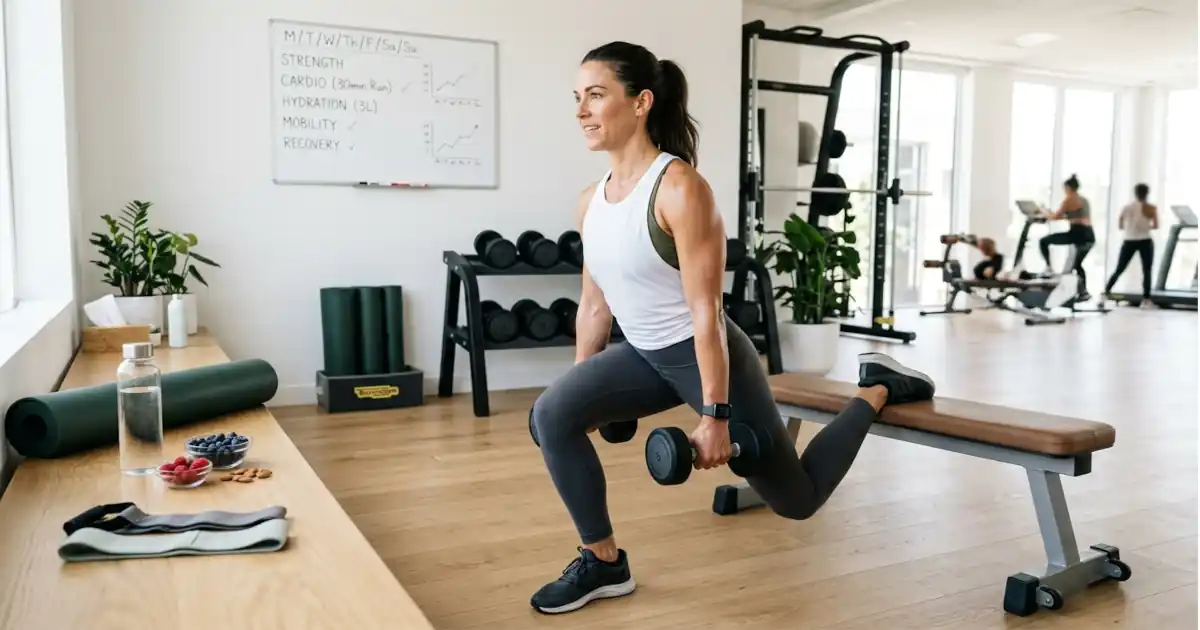
Strength training builds muscle and boosts metabolism. It also strengthens bones and connective tissue. Beginners should start with bodyweight exercises first. Squats, push-ups, and lunges work multiple muscles. Master proper form before adding extra weight.
Progressive overload drives long-term strength gains. Gradually increase weight, reps, or sets over time. This challenges muscles and encourages continued growth. Rest between sets to maintain good form. Two minutes usually works well for heavier lifts.
Compound exercises deliver more value than isolation moves. They engage multiple joints and muscle groups simultaneously. Deadlifts, bench presses, and rows fall into this category. Include these movements in every strength session. They save time while maximizing overall results.
Cardio Strategies That Actually Work
Cardiovascular exercise strengthens the heart and lungs. It also burns calories and improves endurance. Running, cycling, and swimming all count as effective options. Choose an activity you genuinely enjoy doing. Enjoyment increases the likelihood of long-term consistency.
High-intensity interval training saves time for busy schedules. Short bursts of effort alternate with brief recovery. This method burns fat efficiently in less time. Beginners should start with lower intensity intervals. Gradually increase difficulty as fitness improves.
Steady-state cardio still holds real value. Longer, moderate-paced sessions build aerobic base fitness. They also reduce stress and support mental clarity. Mix both training styles for balanced results. Variety keeps workouts interesting and prevents plateaus.
Nutrition Tips That Support Your Goals
Nutrition determines much of your fitness progress. Whole foods should form the bulk of every diet. Vegetables, fruits, lean proteins, and whole grains matter most. Processed foods offer little nutritional value. Limit them whenever possible for better results.
Meal timing influences energy and recovery. Eating protein after workouts speeds muscle repair. A balanced meal within two hours works best. Avoid skipping meals, since this often leads to overeating later. Consistent eating patterns support steady energy levels.
Portion control matters more than strict dieting. Overeating healthy foods still leads to weight gain. Use smaller plates to manage portions naturally. Listen to your body’s hunger and fullness signals. These habits create sustainable, long-term nutrition success.
The Role of Recovery and Rest
Recovery allows the body to rebuild and strengthen. Sleep plays the biggest role in this process. Aim for seven to nine hours nightly. Poor sleep hurts performance and slows recovery significantly. Prioritize a consistent sleep schedule every night.
Active recovery also supports the healing process. Light walking or gentle yoga aids circulation. This reduces soreness without adding extra stress. Stretching after workouts improves flexibility over time. It also lowers the risk of future injury.
Rest days aren’t a sign of weakness. They allow muscles to repair and grow stronger. Overtraining leads to fatigue and increased injury risk. Balance hard training days with adequate rest. This approach following thespoonathletic fitness tips creates better long-term results.
Mental Health and Fitness Connection
Fitness benefits extend beyond physical health. Exercise reduces symptoms of anxiety and depression. It also improves self-esteem and body confidence. Regular movement creates a positive feedback loop. Better mood encourages more consistent training habits.
Mindfulness practices pair well with physical fitness. Deep breathing reduces stress before workouts. Meditation improves focus during training sessions. Combining mental and physical practices creates holistic wellness. This balance supports long-term motivation and consistency.
Social support also strengthens fitness commitment. Training with friends increases accountability significantly. Group classes create a sense of community. Shared goals make workouts more enjoyable. Support systems help people stick with their routines.
Common Mistakes to Avoid
Many beginners rush their fitness journey. Doing too much too soon causes burnout. Injuries often result from poor form or overtraining. Start slow and prioritize proper technique always. Gradual progress prevents setbacks and builds confidence.
Ignoring nutrition undermines even the best workout plans. Exercise alone can’t outweigh poor eating habits. Balance both elements for real, lasting change. Skipping warm-ups also increases injury risk. Always prepare your body before intense activity.
Comparing yourself to others creates unnecessary pressure. Everyone progresses at their own individual pace. Focus on personal growth instead of comparison. These insights from thespoonathletic fitness tips help readers avoid setbacks. Patience and consistency matter more than speed.
Building a Sustainable Fitness Routine
Sustainability separates short-term results from lasting change. Choose activities that fit your lifestyle realistically. Forcing an unenjoyable routine leads to quitting quickly. Flexibility within a plan keeps motivation high. Adjust your schedule as life circumstances change.
Set both short-term and long-term goals. Short-term goals maintain daily motivation and focus. Long-term goals provide direction and bigger purpose. Review and adjust these goals regularly. This keeps your fitness journey relevant and effective.
Tracking progress helps maintain long-term commitment. Use apps, journals, or simple photos. Visible progress reinforces positive behavior over time. Celebrate milestones to stay motivated consistently. These strategies rooted in thespoonathletic fitness tips support lifelong health.
Final Thoughts on Staying Fit and Healthy
Fitness is a lifelong journey, not a quick fix. Small, consistent actions create meaningful change over time. Focus on strength, cardio, nutrition, and recovery together. Balance mental health with physical training equally. This holistic approach delivers the best long-term results.
Anyone can build a healthier, stronger body. Start small, stay consistent, and remain patient throughout. Use trusted guidance to avoid common mistakes. Following thespoonathletic fitness tips gives you a clear path forward. Your fitness journey starts with a single, simple step today.
READ ALSO: Sean Connolly and Ed Sheeran: Why This Search Keeps Trending








Leave a Reply