

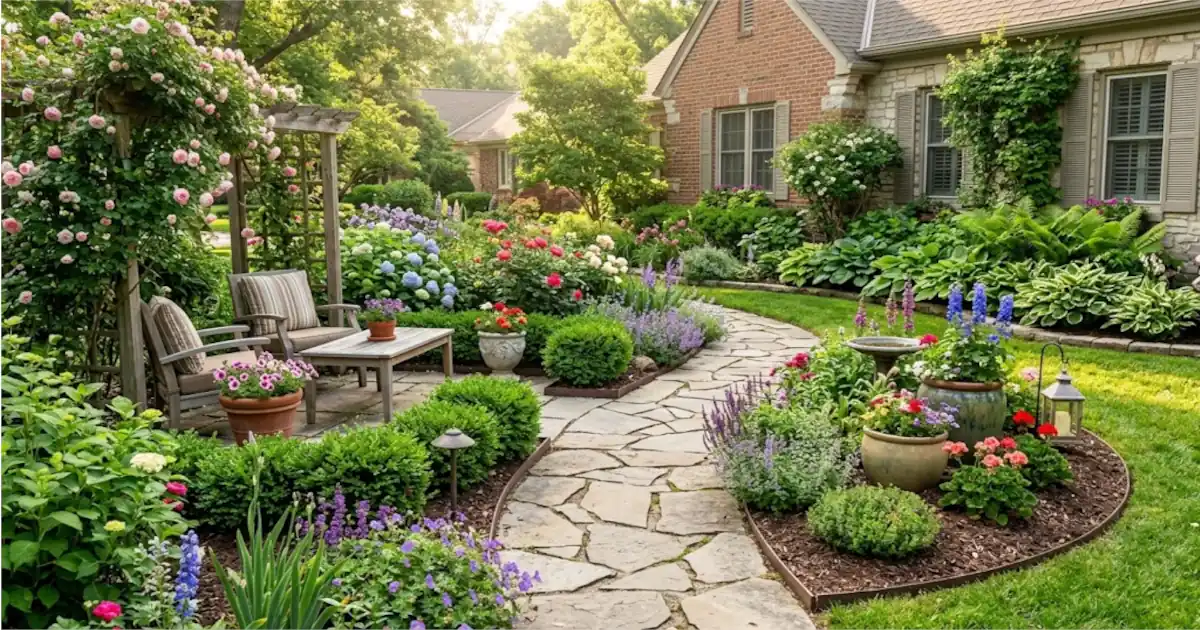
A beautiful garden transforms your home. It adds color, fragrance, and calm to every season. Many homeowners want a stunning yard but feel unsure where to begin. This guide solves that problem. It shares decoradhouse garden tips by decoratoradvice that suit beginners and experienced gardeners alike. You will learn how to plan your space, choose plants, and care for soil. You will also discover simple decor ideas that add personality. Each tip is practical, affordable, and easy to follow. Read on to turn your outdoor area into a place you love. Start small, stay consistent, and enjoy every step of the journey.
Plan Your Garden Layout Before You Plant
Study Your Space and Sunlight
Every great garden starts with observation. Walk around your yard at different times of day. Notice where the sun shines longest and where shade falls. Most vegetables and flowering plants need six hours of direct sunlight. Shade-loving plants like ferns and hostas prefer cooler corners. Measure your space and sketch a simple map on paper. Mark paths, fences, trees, and water sources. This early planning prevents costly mistakes later. The decoradhouse garden tips by decoratoradvice always begin with a clear plan. A good plan saves money, time, and effort throughout the year.
Define Zones for Different Purposes
Divide your garden into clear zones. Create a seating area, a planting area, and a walking path. Each zone should serve a purpose. A small patio invites family dinners and quiet mornings. A raised bed section keeps vegetables tidy and productive. Pathways guide visitors and protect your lawn from wear. Use gravel, stepping stones, or bark chips for natural paths. Keep zones proportional to your yard size. Small gardens look best with fewer, well-defined areas. Large gardens benefit from several distinct spaces that flow together smoothly.
Choose the Right Plants for Your Climate
Select Native and Hardy Varieties
Native plants thrive with minimal care. They adapt to local soil, rainfall, and temperature. They also support bees, butterflies, and birds. Visit a local nursery and ask about regional favorites. Hardy perennials return every year without replanting. Lavender, marigold, and rosemary suit warm, dry regions. Hydrangeas and coneflowers perform well in moderate climates. Choose plants with different bloom times for year-round color. This approach keeps your garden lively in every season. Follow decoradhouse garden tips by decoratoradvice and check sun, water, and space needs before buying anything.
Mix Heights, Textures, and Colors
Variety makes a garden memorable. Place tall plants at the back of borders and short ones in front. Combine fine, feathery foliage with bold, broad leaves. Pair warm colors like orange and yellow with cool blues and purples. Repeat a few favorite plants across the garden for unity. Odd-numbered groupings of three or five look natural. Add ornamental grasses for movement and soft sound. Evergreen shrubs provide structure during winter months. Layering plants creates depth and visual interest. Your garden will feel rich and thoughtfully designed.
Build Healthy Soil for Strong Growth
Test and Improve Your Soil
Healthy soil produces healthy plants. Start with a simple soil test from a garden center. The test reveals pH levels and nutrient deficiencies. Most plants prefer slightly acidic to neutral soil. Add compost to improve texture and fertility. Compost feeds beneficial microbes and helps soil hold moisture. Mix two to three inches into planting beds each spring. Avoid walking on wet soil because it compacts easily. Loose soil lets roots spread deeply and absorb water efficiently. Good soil care is the quiet secret behind every thriving garden.
Make Your Own Compost
Composting turns kitchen waste into garden gold. Collect vegetable scraps, eggshells, coffee grounds, and dry leaves. Layer green materials with brown materials in a bin or pile. Turn the mixture every week to add air. Keep it damp, like a wrung-out sponge. In two to six months, you will have rich, crumbly compost. Skip meat, dairy, and oily foods because they attract pests. Homemade compost saves money and reduces household waste. It also gives your plants a natural nutrient boost. Many gardeners call it the best free fertilizer available.
Water Wisely and Save Resources
Create a Smart Watering Routine
Water deeply but less often. Deep watering encourages roots to grow downward and resist drought. Shallow, frequent watering creates weak roots. Water early in the morning to reduce evaporation. Avoid evening watering because damp leaves invite fungal disease. Aim water at the base of plants, not the leaves. Check soil moisture by pushing a finger two inches down. If it feels dry, water thoroughly. Container plants dry out faster and need closer attention. A consistent schedule keeps plants calm and healthy.
Use Mulch and Drip Irrigation
Mulch protects soil like a blanket. Spread two to three inches of bark, straw, or wood chips around plants. Mulch holds moisture, blocks weeds, and regulates soil temperature. Keep it a few inches away from stems to prevent rot. Drip irrigation delivers water directly to roots with little waste. It is easy to install and saves significant water. Rain barrels capture free water from your roof. Use that water during dry spells. These simple systems lower your utility bills and help the environment.
Add Decor That Reflects Your Style
Choose Furniture and Containers
Decor gives your garden personality. Start with comfortable, weatherproof furniture. Teak, metal, and resin hold up well outdoors. Add cushions in colors that echo your flowers. Place pots of varying sizes near doorways and seating areas. Terracotta offers a classic, earthy look. Glazed ceramic pots add bold color. Group containers in threes for a polished display. Fill them with herbs, trailing vines, or seasonal blooms. The decoradhouse garden tips by decoratoradvice suggest repeating one or two materials throughout the space. This repetition creates a calm, cohesive look.
Light Up Your Garden at Night
Good lighting extends your enjoyment into the evening. Solar path lights guide guests safely along walkways. String lights add warmth over patios and pergolas. Spotlights highlight trees, sculptures, or textured walls. Choose warm white bulbs for a cozy glow. Avoid over-lighting because subtle illumination feels more magical. Lanterns and candles add portable charm for special evenings. Solar options cost nothing to run and install quickly. A well-lit garden feels welcoming and secure. It also lets you appreciate your plants after sunset.
Care for Your Garden Through the Seasons
Spring and Summer Maintenance
Spring is the time for fresh starts. Clear debris, prune dead branches, and refresh mulch. Plant annuals and vegetables after the last frost. Feed plants with balanced fertilizer as new growth appears. In summer, deadhead faded flowers to encourage more blooms. Watch for pests like aphids and slugs. Handpick them or use gentle organic sprays. Harvest herbs and vegetables often to keep plants productive. Check watering needs daily during heat waves. Regular attention in these months rewards you with abundant color and fresh produce.
Autumn and Winter Preparation
Autumn prepares your garden for rest. Plant spring bulbs like tulips and daffodils before the ground freezes. Rake leaves and add them to your compost pile. Divide overgrown perennials to refresh them. Cut back dead foliage but leave seed heads for hungry birds. Protect tender plants with burlap or frost cloth. Clean and store your tools to prevent rust. Winter is also ideal for planning next year’s improvements. Browse catalogs, sketch new beds, and dream. The decoradhouse garden tips by decoratoradvice encourage year-round care for lasting results.
Control Pests and Weeds Naturally
Healthy gardens resist problems better. Encourage ladybugs, lacewings, and birds because they eat harmful insects. Plant marigolds and basil near vegetables to deter pests. Rotate crops each year to break pest cycles. Pull weeds when they are small and the soil is moist. Mulch heavily to suppress new weeds. Use vinegar sprays or boiling water on pavement cracks. Avoid harsh chemicals that harm pollinators and pets. Inspect leaves weekly for early warning signs. Quick action prevents small issues from becoming major infestations. Natural methods keep your garden safe for children and wildlife.
Make Small Spaces Shine
Small gardens offer big opportunities. Grow upward with trellises, wall planters, and hanging baskets. Vertical gardens save floor space and add living texture. Choose compact plant varieties that fit containers. Use mirrors on fences to create the illusion of depth. Light colors make narrow areas feel wider. Balcony gardeners can grow herbs, strawberries, and cherry tomatoes in pots. Foldable furniture keeps patios flexible. Limit your color palette to avoid visual clutter. A small, well-organized garden can feel as luxurious as a large estate.
Conclusion
A beautiful garden grows from planning, patience, and steady care. Understand your space, choose suitable plants, and nurture your soil. Water wisely, add stylish decor, and follow the seasons. These steps work in any yard, large or small. Apply the decoradhouse garden tips by decoratoradvice one at a time and watch your outdoor space transform. Start this week with a single bed or container. Enjoy the process, learn from mistakes, and celebrate each bloom. Your garden will reward you for years to come.
READ ALSO: Masayoshi Son and Greg Hayes: Two Leadership Styles Compared






Leave a Reply