

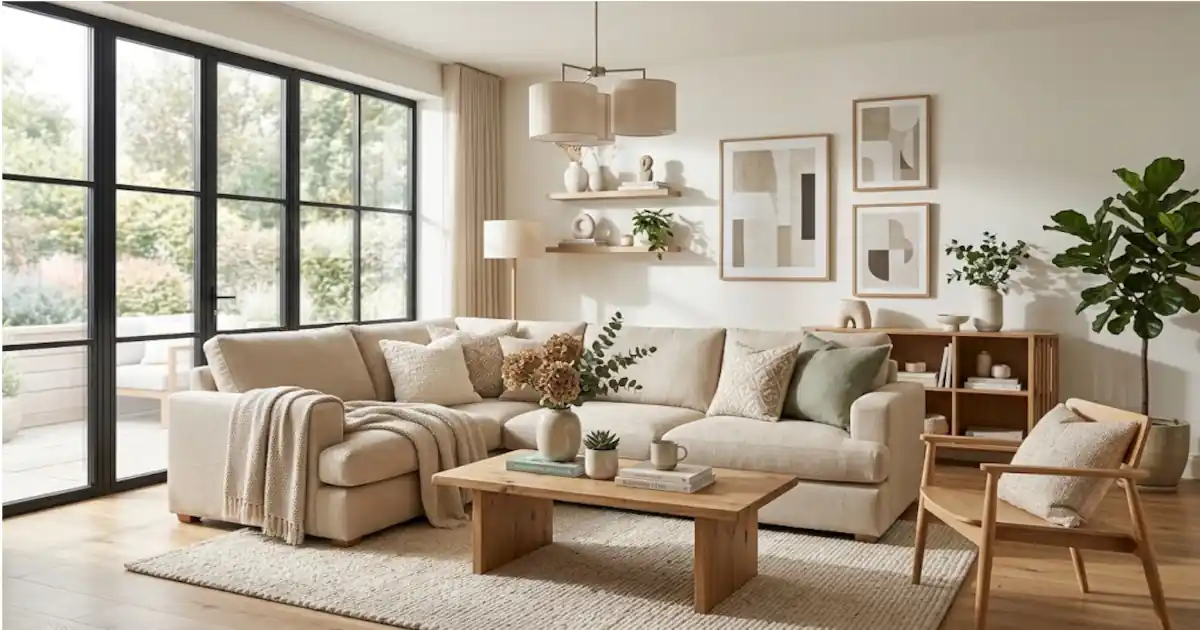
Interior design shapes how people live, work, and feel every day. Every room tells a story through color, texture, and light. Many readers ask why interior design is interesting mintpaldecor and what makes the craft so special. This guide answers that question with practical insights, current trends, and clear examples. You will learn how design blends creativity with science. You will also see how thoughtful decor improves comfort, health, and home value.
What Makes Interior Design So Fascinating
Interior design combines imagination with real-world problem solving. Designers study human behavior, then they build spaces that support daily routines. A well-planned room looks beautiful and works efficiently at the same time. This balance keeps professionals and hobbyists curious for decades.
Where Art Meets Science
Art guides the visual side of every project. Designers choose palettes, patterns, and shapes that please the eye. Science guides the technical side. Designers calculate lighting levels, airflow, and furniture clearances with care. Ergonomics ensures chairs, desks, and counters fit the human body. The result feels effortless, although careful planning drives every decision.
Spaces That Shape Emotions
Rooms influence mood more than most people realize. Warm tones create cozy bedrooms and welcoming living rooms. Cool blues calm busy minds in offices and bathrooms. Natural light lifts energy and improves sleep cycles. Designers use these effects to craft spaces that feel right. People often cannot explain why a room feels good, but design explains it.
A Brief History of Interior Design
People have decorated living spaces for thousands of years. Ancient Egyptians painted walls and carved furniture for their homes. Roman villas featured mosaics, frescoes, and heated floors. Renaissance Europe celebrated symmetry, rich fabrics, and ornate woodwork. The Industrial Revolution made furniture affordable for ordinary families. Modernist designers in the twentieth century then championed simplicity and function. Today, designers borrow from every era and mix styles freely. This long history gives the profession depth and offers endless inspiration.
The Creative Freedom Behind Every Project
No two projects look alike. Each client brings unique tastes, budgets, and goals. Each building offers different dimensions, windows, and architectural quirks. Designers treat these limits as creative puzzles. Solving them delivers a satisfaction few careers can match.
Color, Texture, and Light
Color sets the tone for any room. Soft neutrals create calm, while bold accents add personality. Texture adds depth through wood, linen, stone, and metal. Layered lighting completes the picture. Designers combine ambient, task, and accent lights to build atmosphere. Together, these three elements transform a plain box into a memorable space.
Furniture, Layout, and Flow
Layout decides how people move through a room. Good flow removes clutter and clears pathways. Designers place furniture to encourage conversation and comfort. They also measure scale carefully, so a sofa never overwhelms a small lounge. Smart storage hides daily mess and keeps surfaces clean. Small choices like these create big improvements.
Why Interior Design Is Interesting Mintpaldecor for Modern Homeowners
Homeowners today want spaces that reflect their identity. Mass-produced rooms feel flat and impersonal. Custom decor tells guests who lives there. This personal touch explains why interior design is interesting mintpaldecor for many families. People crave homes that express their stories, not generic showroom layouts.
Personal Style Meets Practical Value
Great decor does more than look pretty. It raises property value and attracts buyers. Thoughtful upgrades also cut energy bills through better insulation and lighting. Durable materials reduce repair costs over time. Homeowners therefore enjoy beauty and savings together.
Budget-Friendly Transformations
Good design does not require a huge budget. Fresh paint costs little and changes everything. Rearranged furniture creates new energy without extra spending. Secondhand pieces add character and save money. Plants, mirrors, and cushions refresh a room within hours. Smart decisions matter more than expensive purchases.
Current Trends That Keep Design Exciting
Trends evolve every season, which keeps the field fresh. Designers watch global movements and adapt them to local needs. Three trends stand out in 2026.
Sustainable Materials
Eco-conscious choices lead the industry. Designers now specify reclaimed wood, bamboo, and recycled glass. Low-VOC paints protect indoor air quality. Clients appreciate decor that respects the planet. Sustainable pieces also last longer, which improves long-term value.
Smart Home Integration
Technology blends quietly into modern interiors. Smart bulbs adjust brightness and color on command. Automated blinds control heat and glare. Hidden speakers and charging stations keep rooms tidy. Designers plan these features early, so wiring stays invisible.
Biophilic Design
Biophilic design brings nature indoors. Living walls, large windows, and natural fibers connect residents with the outdoors. Studies link green spaces to lower stress and better focus. Even a few potted plants make a noticeable difference. This trend shows how design supports wellbeing.
Careers and Opportunities in Interior Design
The profession offers diverse paths. Residential designers shape homes and apartments. Commercial designers create offices, hotels, cafes, and retail stores. Specialists focus on lighting, kitchens, or sustainable projects. Many designers also run independent studios and set their own schedules.
Demand keeps growing as urban populations expand. Clients want expert guidance to maximize limited square footage. Skilled designers earn respect, steady income, and creative fulfillment. That combination answers why interior design is interesting mintpaldecor for aspiring professionals.
How to Start Your Own Interior Design Journey
Anyone can begin with small steps. Curiosity matters more than formal credentials at the start.
Study Great Spaces
Browse magazines, museums, and showrooms. Notice which rooms attract you and why. Save photos on a mood board. Patterns will emerge, and those patterns reveal your personal style.
Learn the Basic Principles
Master balance, rhythm, contrast, emphasis, and harmony. These principles guide every professional layout. Free online courses teach them clearly. Practice on your own bedroom first. Measure carefully, sketch plans, and test ideas before buying anything.
Build a Simple Plan
Start with one room. Set a budget and a deadline. List your needs, then list your wishes. Choose a palette of three shades. Add lighting, textiles, and accessories last. Finish one project before you begin the next.
Common Interior Design Mistakes to Avoid
Even enthusiastic beginners make predictable errors. Avoiding them saves time and money. Many people buy furniture before measuring the room. Others ignore natural light and window placement. Some use too many colors at once, which makes spaces feel chaotic. Others skip layered lighting and leave rooms flat and dim. Finally, many follow trends that clash with their personal taste. Slow, thoughtful choices always beat rushed purchases.
Frequently Asked Questions
Is interior design only about decoration?
No. Decoration forms one small part of the work. Designers also plan layouts, select materials, coordinate contractors, and meet building codes.
How much does an interior designer cost?
Fees vary by city, experience, and project size. Some designers charge hourly rates, while others quote flat project fees. Always request a written estimate before signing any agreement.
Can I design my home without a professional?
Yes. Many homeowners succeed with research and patience. However, complex renovations benefit from expert advice.
Which room should I redesign first?
Start with the living room. Guests see it first, and your family uses it most.
Conclusion
Interior design blends art, science, and emotion in one rewarding craft. It shapes how people feel, live, and connect. It also offers creative freedom, practical savings, and strong career prospects. Readers who still wonder why interior design is interesting mintpaldecor can start by redesigning a single corner at home. Small experiments teach big lessons. Explore, learn, and enjoy the process. Now you understand why interior design is interesting mintpaldecor, and your next project can begin today.
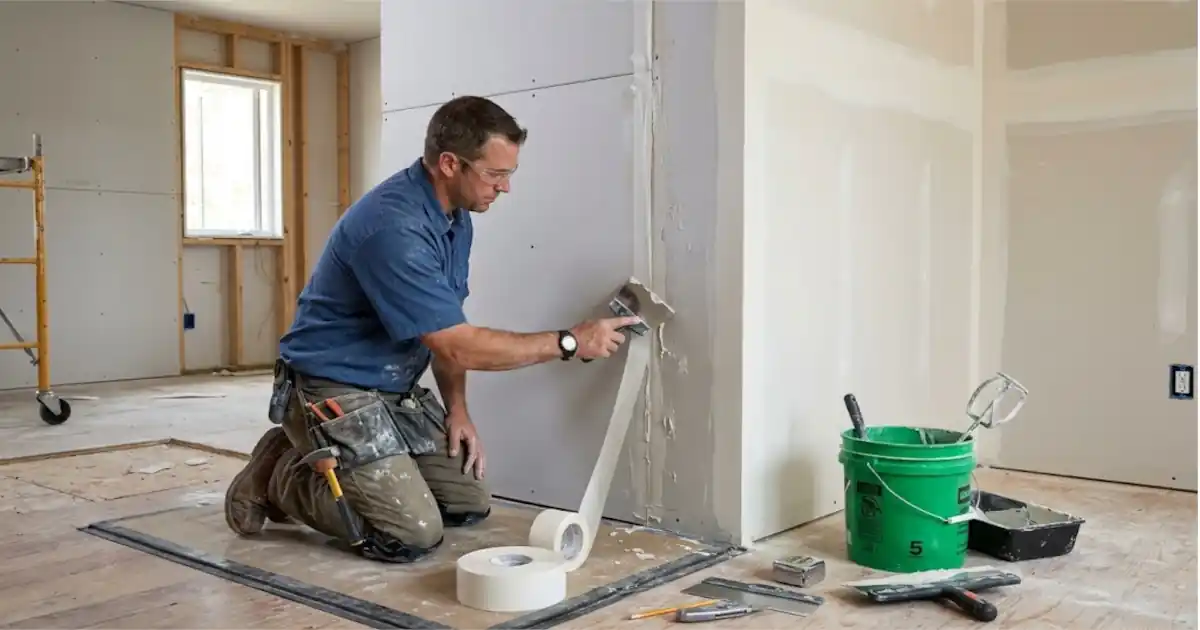
READ ALSO: Drywall Tape Calculator: How to Estimate Joint Tape for Any Project





Leave a Reply