

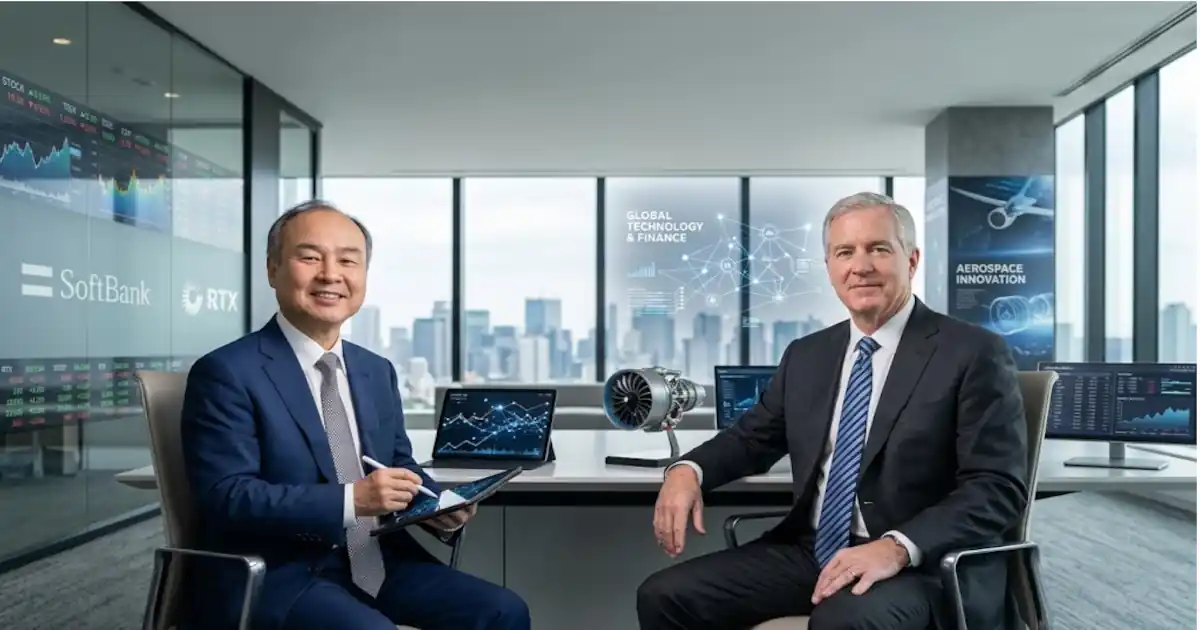
HeTechnology and aerospace shape the modern economy. Two executives represent these worlds well. This guide examines masayoshi son and greg hayes through their careers, strategies, and leadership lessons. Son founded SoftBank in 1981 and built a global investing empire. Hayes spent decades rising through United Technologies and later led RTX. Their paths differ sharply, yet their lessons complement each other. Investors, managers, and founders can take practical ideas from both. No public record shows a direct business partnership between them. This article therefore compares their leadership styles rather than describing joint ventures.
Who Is Masayoshi Son?
Early Career and the Birth of SoftBank
Son was born on August 11, 1957. He founded SoftBank in September 1981. The company began as a software distributor and grew into a technology giant. Son later became president of Yahoo Japan in 1996. He then bought Vodafone’s Japanese business in 2006. Each move expanded his reach across telecommunications and the internet.
The Vision Fund and Big Bets
Son launched the $100 billion Vision Fund in 2016. The fund backed hundreds of startups across the globe. His most famous bet was a $20 million investment in Alibaba in 2000. That stake produced roughly $72 billion in returns, according to Fortune. Son also backed ride-sharing firms such as Uber, Grab, and Didi Chuxing. He personally vets founders and pushes them to scale aggressively.
Wins, Losses, and Comebacks
Son’s record includes spectacular failures. The Vision Fund poured billions into WeWork, which filed for bankruptcy in 2023. SoftBank also sold its Nvidia shares in 2019. Those shares would have grown enormously during the artificial intelligence boom. Yet Son keeps rebuilding. SoftBank joined OpenAI’s $40 billion fundraise in 2025. It also bought chipmaker Ampere Computing for $6.5 billion. SoftBank reported its first annual profit in four years that May. Son clearly treats setbacks as costs of ambition.
Who Is Greg Hayes?
From Finance Chief to Chief Executive
Hayes built his career inside one of America’s largest industrial companies. He started in finance at United Technologies in the late 1990s. He became chief financial officer in 2008. Later He rose to chief executive. Colleagues describe him as a numbers-driven operator. He values predictability, cash flow, and steady execution.
Creating RTX
Hayes led the 2020 merger of United Technologies and Raytheon. The deal created RTX, a major aerospace and defense company. His team also separated Otis and Carrier into independent businesses. These moves simplified the portfolio and sharpened the company’s focus. RTX now serves commercial aviation and defense customers worldwide. Hayes steered the company through the pandemic aerospace downturn. He also faced engine quality problems at Pratt & Whitney. Leadership roles at RTX may have changed since my last update. Readers should confirm the current executive lineup through official company sources.
How masayoshi son and greg hayes Approach Risk
Risk defines the biggest difference between these two executives. Son accepts huge uncertainty in pursuit of outsized returns. He concentrates capital in a few bold themes. Hayes manages risk through process, engineering rigor, and long-term contracts. Aerospace programs last decades, so he plans in decades.
Son measures success by the size of the eventual payoff. Hayes measures success by delivery, margins, and customer trust. Son’s portfolio can swing by tens of billions in a single year. Hayes’s backlog gives RTX more stable revenue. Neither approach is superior in every situation. Each fits the industry its leader works in.
Capital Allocation Strategies
Son: Concentrated Conviction
Son deploys capital quickly and in large amounts. He often invests before a market proves itself. He relies on a narrative about future technology. Then He adds funding to winners and tolerates visible losses. SoftBank also sells assets to raise cash for new bets. This approach rewards patience and punishes poor timing.
Hayes: Disciplined Returns
Hayes allocates capital through research budgets, acquisitions, dividends, and buybacks. He prioritizes projects that fit the company’s technical strengths. He avoids deals that distract management from core programs. Shareholders receive regular returns, and debt stays manageable. This steady approach rarely produces headlines. It does produce reliability that defense and airline customers demand.
Leading Through Crisis
Both leaders have faced intense public scrutiny. Son endured the WeWork collapse and heavy fund losses. He responded by selling assets, reducing debt, and refocusing on artificial intelligence. Hayes faced the pandemic, which cut air travel almost overnight. He protected the balance sheet and kept critical engineering talent. He also addressed manufacturing defects that affected engine fleets.
Their crisis responses share one trait. Each leader acted decisively and communicated a long-term plan. Neither waited for perfect information. Both accepted short-term pain to protect the larger mission. Leaders in any industry can copy that mindset.
Where Technology and Defense Meet
Artificial intelligence now links their worlds. Son has declared artificial intelligence his central focus. SoftBank controls Arm, which designs chips found in countless devices. Those chips power data centers, phones, and increasingly industrial systems. Aerospace and defense firms depend on advanced semiconductors too. Radar, avionics, and guidance systems all require reliable computing power.
RTX builds sensors, engines, and missile defense systems. These products increasingly rely on software and machine learning. Supply chain security matters as much as raw performance. Chip availability affects delivery schedules across the aerospace sector. This shared dependency shows why leaders in both fields watch each other’s markets closely.
Key Lessons for Leaders and Investors
Match Your Risk Style to Your Industry
Venture investing rewards bold, concentrated bets. Aerospace manufacturing rewards patience and precision. Leaders should choose a risk posture that suits their market. Copying another industry’s playbook can backfire.
Build Resilience Before You Need It
Hayes kept strong cash flow and a diversified backlog. That cushion helped RTX survive the pandemic. Son’s asset sales gave SoftBank room to recover after losses. Both examples prove that liquidity buys time. Time lets leaders fix mistakes without panic.
Communicate a Clear Long-Term Vision
Son tells simple, powerful stories about the future. Hayes explains strategy through delivery milestones and financial targets. Each style builds confidence among investors and employees. Clear messaging reduces confusion during volatile periods. Leaders should state their goals plainly and repeat them often.
Learn From Failure Quickly
Son’s missed Nvidia opportunity and WeWork losses taught expensive lessons. Hayes learned from engine quality problems and strengthened inspection processes. Both leaders adjusted after setbacks. Great executives rarely avoid mistakes. They correct mistakes faster than their competitors do.
Frequently Asked Questions
Do Masayoshi Son and Greg Hayes work together?
No public evidence shows a formal partnership between them. They lead very different organizations in different industries. Any comparison relies on public career information, not shared projects.
What does SoftBank do?
SoftBank invests in technology companies through its Vision Funds. It also owns Arm, a leading chip design company. Its interests include telecommunications, robotics, and artificial intelligence.
What does RTX do?
RTX makes aircraft engines, avionics, and defense systems. It formed in 2020 through the merger of United Technologies and Raytheon. Its business units serve both commercial and military customers.
Which leadership style is better?
Neither style wins universally. Son’s approach suits fast-moving technology markets. Hayes’s approach suits capital-intensive, safety-critical industries. Leaders should adapt lessons from both to their own circumstances.
Conclusion
The story of masayoshi son and greg hayes shows that great leadership takes many forms. Son bets boldly on the next technological wave. Hayes builds durable value through discipline and execution. Both leaders survived serious setbacks and kept moving forward. Their careers teach three clear lessons. Match risk to your industry, build financial resilience, and communicate your vision consistently. Readers who apply these ideas can strengthen their own businesses and investment decisions. Follow official SoftBank and RTX announcements for the latest leadership news.
READ ALSO: tech hacks pblinuxgaming: The Complete Guide to Faster Linux Gaming









Leave a Reply