

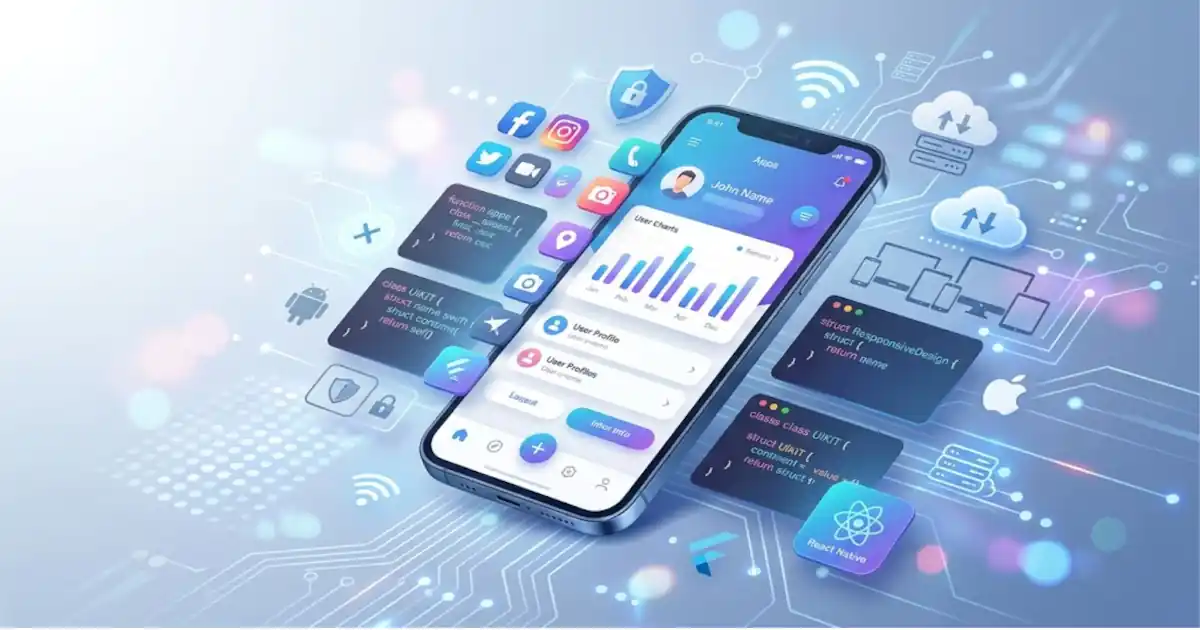
Mobile apps now shape how people shop, learn, and connect. Businesses need strong apps to compete in every market. Developpement mobile dualmedia offers a practical path to build those apps with confidence. This guide explains the process, the benefits, and the best practices. You will learn how to plan, design, build, and launch an app that users love.
What Is Developpement Mobile Dualmedia?
Developpement mobile dualmedia describes the full process of creating mobile applications with a media-focused, user-first approach. Teams design apps for both iOS and Android. They combine clean code, engaging visuals, and smooth performance. The goal is simple: deliver value to users on every screen. Startups and large brands both use this approach. Each project starts with clear business goals and a deep understanding of the audience.
Why Mobile Apps Matter Today
Smartphones dominate daily life. People spend hours each day inside apps. Mobile commerce grows every year, and users expect fast, simple experiences. A well-built app earns trust and loyalty. It also opens a direct channel to your customers. Push notifications bring users back. In-app analytics reveal what customers want. Brands without a mobile strategy risk losing ground to active competitors.
Core Stages of the Mobile Development Process
A structured process protects your budget and your timeline. Each stage builds on the one before it. Skipping a stage usually creates costly problems later.
Discovery and Planning
Every great app begins with research. Teams interview stakeholders and study the market. They define the target audience and map user journeys. Then they list features and rank them by impact. A clear roadmap keeps the budget under control. Good planning saves weeks of rework later.
UI and UX Design
Design shapes the first impression. Designers sketch wireframes and test early prototypes. They choose colors, fonts, and icons that match the brand. Simple navigation helps users reach their goals quickly. Accessibility matters too. Designers add readable text, strong contrast, and large tap targets. User testing exposes problems before developers write final code.
Development and Coding
Developers turn designs into working software. They choose between native and cross-platform tools. Native development uses Swift for iOS and Kotlin for Android. Cross-platform frameworks like Flutter and React Native share one codebase. Teams work in short sprints and release features often. Code reviews keep quality high. Automated tests catch bugs early. A solid backend and secure APIs power the app behind the scenes.
Testing and Quality Assurance
Testers check every feature on real devices. They test different screen sizes, operating systems, and network speeds. They hunt for crashes, slow screens, and security gaps. Performance testing ensures the app handles heavy traffic. Quality assurance protects your reputation. A buggy launch drives users away fast.
Launch and Maintenance
Launch day is only the beginning. Teams submit the app to the App Store and Google Play. They follow each store’s rules closely. After release, they monitor crash reports and user reviews. Regular updates add features and fix issues. Maintenance keeps the app compatible with new operating systems.
Native vs. Cross-Platform: Choosing the Right Approach
Your technology choice affects cost, speed, and performance. Native apps deliver the best speed and device access. They suit games, media tools, and complex features. Cross-platform apps cut costs and shorten timelines. They suit most business apps. Consider your budget, audience, and long-term goals. Developpement mobile dualmedia projects often compare both options before the team commits.
Key Benefits of a Professional Approach
Faster Time to Market
Experienced teams use proven workflows. They reuse tested components and automate repetitive tasks. This approach shortens delivery time. You reach users sooner and start learning from real feedback.
Better User Retention
Smooth performance keeps people engaged. Personalized content and timely notifications bring them back. Strong onboarding helps new users understand your value quickly. Higher retention lowers your acquisition costs.
Scalable Architecture
Growth should never break your app. Scalable architecture handles more users without slowing down. Cloud services expand capacity on demand. Modular code lets teams add features without rewriting everything.
Best Practices for Successful Mobile Apps
Put the User First
Start with real user needs. Run surveys and usability tests. Listen to feedback after launch. Small improvements add up.
Prioritize Security
Users trust apps with personal data. Protect that trust. Encrypt data in transit and at rest. Use secure authentication methods. Update libraries regularly to patch known flaws. Follow privacy laws such as GDPR.
Optimize Performance
Speed decides whether users stay. Compress images and cache data. Reduce unnecessary network calls. Test on older devices too. Fast apps earn better ratings and higher rankings in app stores.
Use App Store Optimization
App store optimization helps people find your app. Choose keywords carefully in titles and descriptions. Add clear screenshots and a short preview video. Encourage happy users to leave reviews. Strong store pages convert visitors into downloads. Plan store optimization from day one.
Trends Shaping Mobile Development
Technology changes fast. Artificial intelligence now powers smart recommendations and chatbots. Augmented reality improves shopping and training apps. 5G networks enable rich video and real-time features. Privacy-first design also gains importance every year. Teams that follow these trends build apps that stay relevant. Developpement mobile dualmedia experts track these shifts closely and adapt their methods.
How to Choose the Right Development Partner
The right partner makes the difference. Review their portfolio and client reviews. Ask about their process, tools, and communication style. Request a clear estimate with milestones. Confirm they offer support after launch. Transparent partners deliver better results and fewer surprises.
Conclusion
Mobile apps drive growth, engagement, and loyalty. Success depends on planning, design, quality code, and constant improvement. Developpement mobile dualmedia gives businesses a clear framework to achieve these goals. Start with a solid plan. Choose the right technology. Test often and listen to users. Your next app can become your strongest business asset.
READ ALSO: Hiroshi Mikitani and James Gorman: Two Leaders Who Reshaped Global Business











Leave a Reply