

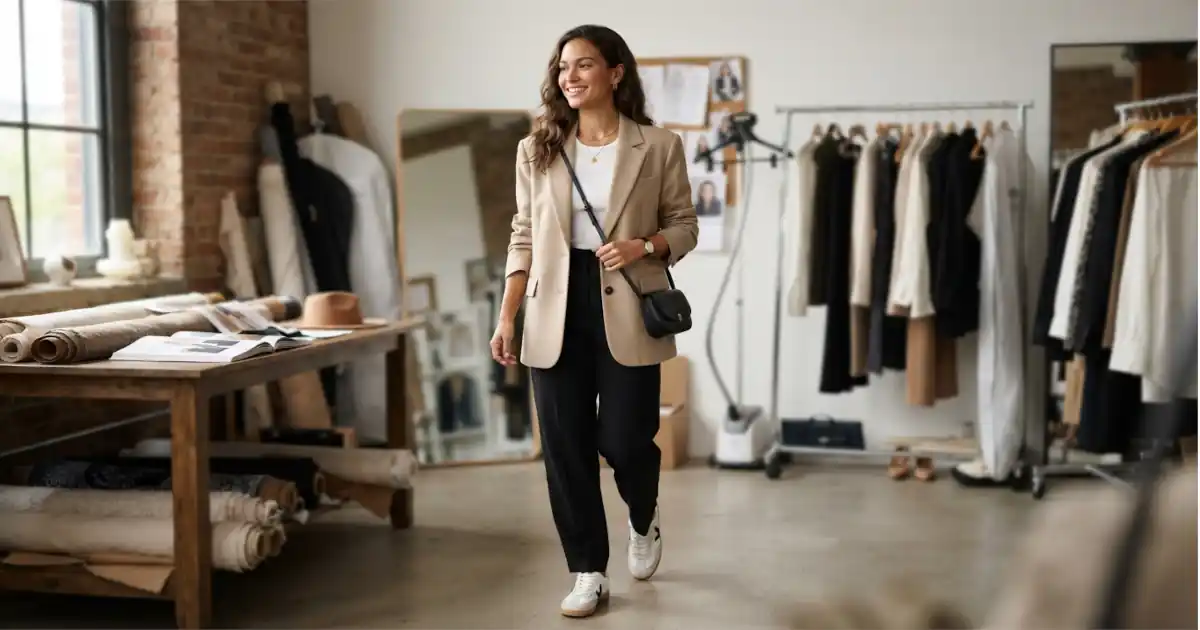
Great outfits start with a clear idea of who you are. Many people buy trendy pieces and still feel uncomfortable in them. A defined personal look solves that problem. This guide explains how to build a wardrobe that feels authentic, flexible, and easy to wear. You will learn practical steps, smart shopping tips, and styling rules that work every day. Follow them, and your closet will finally make sense.
What Is Clothing Style lwspeakstyle?
Fashion trends change every season. Personal taste lasts much longer. The clothing style lwspeakstyle approach focuses on that lasting taste. It asks you to dress in ways that reflect your personality, your lifestyle, and your body. Trends become optional extras instead of daily pressure. Followers of this approach build outfits around comfort, quality, and self-expression. They choose pieces they love and wear them repeatedly. This mindset saves money, reduces waste, and builds real confidence.
Why Personal Style Matters
Your clothes send a message before you speak. People notice color, fit, and neatness within seconds. A consistent look makes that message clear and memorable. It also simplifies your mornings. You stop asking what to wear and start dressing with purpose. Research on enclothed cognition even suggests that clothing can influence mood and focus. Wearing outfits you love can improve your confidence at work, at school, and at social events.
The Difference Between Style and Fashion
Fashion describes what designers and retailers promote right now. Style describes what you personally choose to wear. Fashion moves quickly, while style evolves slowly. You can follow fashion without having style. You can also have strong style without following any trend. The best wardrobes blend both. They use classic foundations and add a few seasonal touches. This balance keeps your look fresh without making your closet chaotic.
How to Discover Your Personal Look
Discovery takes time, but the process is simple. Start by observing your current habits. Then collect inspiration, test new ideas, and refine your choices. Each step builds on the last.
Audit Your Current Closet
Open your wardrobe and pull everything out. Sort each item into three piles: love, maybe, and never. Be honest about what you actually wear. Notice the colors, cuts, and fabrics in the “love” pile. Those details reveal your natural preferences. Donate the “never” pile to charity or resell it online. A smaller closet gives you clarity and makes future shopping easier.
Gather Visual Inspiration
Inspiration helps you name what you like. Create a mood board on Pinterest or Instagram. Save outfits that make you stop scrolling. Review your board after two weeks. Look for repeated patterns in silhouettes, colors, and accessories. You might notice a love for oversized blazers or earthy tones. These patterns become the foundation of your personal look.
Match Your Look to Your Lifestyle
A beautiful outfit must also function in real life. Think about your typical week. A teacher needs comfortable shoes and durable fabrics. A remote worker needs soft, camera-ready tops. A student needs layers for unpredictable weather. List your main activities and note the dress codes they involve. Then build your wardrobe around those needs. This practical approach prevents impulse purchases that never leave the closet.
Build a Versatile Capsule Wardrobe
A capsule wardrobe contains a small set of items that mix and match easily. It reduces decision fatigue and encourages mindful buying. Most capsules include thirty to forty pieces per season. Each piece must pair with at least three others. This rule keeps your closet efficient and your outfits varied.
Essential Wardrobe Staples
Every strong capsule begins with reliable basics. Choose neutral colors such as black, white, navy, beige, and gray. These shades combine effortlessly. Consider the following staples:
- Two white or cream shirts in different cuts
- One well-fitted pair of dark jeans
- One pair of tailored trousers
- A versatile blazer or structured jacket
- A comfortable knit sweater or cardigan
- A simple dress or long tunic
- Clean white sneakers and one pair of leather shoes
These items form your base. You can then add statement pieces that show your personality.
Add Accent Pieces and Accessories
Accent pieces make basics feel special. Try a patterned scarf, bold earrings, or a colorful bag. Accessories change an outfit without changing the entire look. A belt can define a waist. A watch can add polish. A hat can add attitude. Keep accessories flexible so they work with several outfits. Spend more on items you use daily, such as bags and shoes.
Understanding Color, Fit, and Fabric
Three elements decide whether an outfit looks refined: color, fit, and fabric. Master them, and even simple clothes look expensive. Ignore them, and costly clothes look careless.
Choose Colors That Flatter You
Color affects how you look and feel. Start by checking your undertone. Hold gold and silver jewelry near your face in natural light. Gold often flatters warm undertones. Silver often flatters cool undertones. Choose clothing colors that brighten your skin and eyes. Limit your palette to three or four main shades. This restraint makes outfits coordinate automatically.
Prioritize the Right Fit
Fit matters more than price tags. A tailored cheap shirt beats an ill-fitting designer one. Check the shoulders first, because tailors cannot easily fix them. Next, check sleeve length, waist placement, and hem length. Visit a local tailor for small adjustments. Hemming trousers or taking in a waist costs little. The result looks custom-made and boosts your comfort all day.
Select Quality Fabrics
Fabric controls how clothes drape, breathe, and age. Natural fibers like cotton, linen, wool, and silk usually feel better against the skin. They also last longer with proper care. Blends can add stretch and wrinkle resistance. Read the label before buying. Rub the material between your fingers. Hold it up to the light to test its thickness. Good fabric costs more initially but saves money over time.
Dress for Different Occasions
A strong wardrobe adapts to every setting. You do not need separate closets for work, weekends, and events. You need smart combinations and a few key adjustments.
Casual and Everyday Outfits
Comfort leads casual dressing, but effort still shows. Pair straight jeans with a crisp tee and clean sneakers. Add a denim jacket on cooler days. Choose structured bags and neat shoes to elevate simple outfits. Avoid stretched, faded, or wrinkled items. Small details separate relaxed style from sloppy dressing.
Professional and Office Looks
Workwear should signal competence and approachability. Follow your company’s dress code first. Then add personal touches through color, texture, or accessories. A navy blazer with tailored trousers always works. Swap the shirt for a knit top to soften the look. Keep shoes polished and bags organized. Neat grooming completes the professional impression.
Evening and Special Events
Event dressing allows more creativity. Read the invitation carefully and respect the dress code. A black dress, a sharp suit, or a traditional outfit can anchor your look. Use jewelry, a clutch, or statement shoes to add personality. Choose comfortable shoes if you will stand for hours. Confidence, not extravagance, makes an outfit memorable.
Shop Smart and Sustainably
Smart shopping protects both your budget and the planet. The fashion industry produces massive textile waste every year. Thoughtful buyers can reduce their share of that waste. Every purchase should have a purpose, and the clothing style lwspeakstyle method makes that rule easy to follow.
Follow the Thirty-Wear Rule
Before buying anything, ask whether you will wear it thirty times. If the answer is no, walk away. This simple test blocks impulse buying. It also pushes you toward timeless pieces. Calculate cost per wear to judge value. A fifty-dollar jacket worn a hundred times costs fifty cents per wear. A cheap top worn twice costs far more.
Explore Thrift and Resale Options
Secondhand shopping offers quality at lower prices. Thrift stores, vintage markets, and resale apps hold unique treasures. Check seams, zippers, and fabric condition carefully. Wash items before wearing them. Selling your unused clothes also funds new purchases. This cycle keeps clothing in use longer and reduces landfill waste.
Care for Your Clothes Properly
Proper care extends the life of every garment. Follow washing instructions on the label. Wash dark items inside out. Air-dry delicate fabrics instead of using a dryer. Store knitwear folded to prevent stretching. Use wooden hangers for jackets. Repair loose buttons and small tears quickly. Small habits keep your clothes looking new for years.
Common Mistakes to Avoid
Even experienced dressers make errors. Recognizing them helps you correct course quickly.
Following Every Trend
Trends tempt everyone, but most fade within months. Buying each one creates a cluttered, inconsistent closet. Choose only trends that match your existing palette and taste. Try them through inexpensive accessories first. This approach lets you experiment without regret.
Final Thoughts on Clothing Style lwspeakstyle
Strong personal fashion does not require a large budget or constant shopping. It requires self-awareness, planning, and consistency. The clothing style lwspeakstyle philosophy teaches you to value quality, comfort, and individuality above passing trends. Audit your closet, define your preferences, and invest in versatile basics. Focus on fit, color, and fabric. Shop with intention, and care for every piece you own. Over time, your wardrobe will reflect your true identity. You will dress faster, feel better, and look polished everywhere you go. Start today with one small change, and watch your confidence grow. Many readers also search for the term clothing style lwspeakstyle when they want practical outfit guidance.







Leave a Reply