

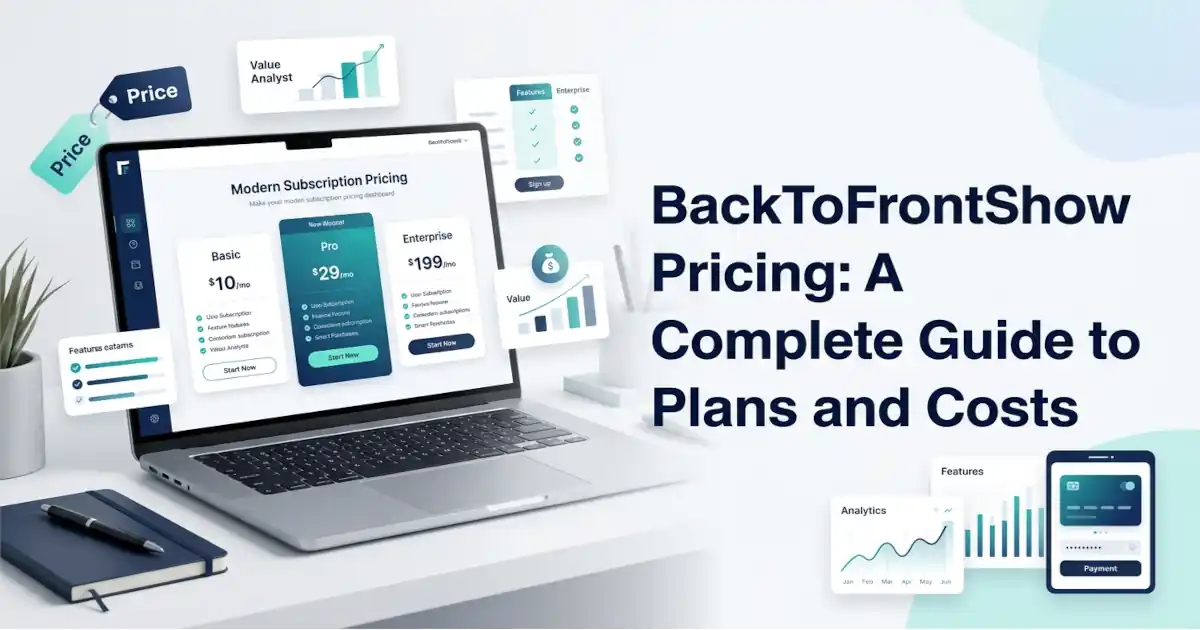
Choosing a new platform always starts with one question. How much does it actually cost? This guide breaks down backtofrontshow pricing in plain, simple language. You will learn what each plan includes. You will also learn how to pick the right tier for your needs.
What Is BackToFrontShow?
BackToFrontShow is a platform built for creators, teams, and businesses. It combines training content, coaching, and performance analytics. Users rely on it to grow their skills or their shows. The platform structures its costs around tiered subscription plans. Each tier unlocks a different set of features. This approach lets smaller users start small. It also lets larger teams scale up when they need more power.
Understanding the platform itself matters before comparing costs. A price only makes sense next to the value it delivers. Someone testing the waters may only need basic access. Someone running a full team may need advanced tools instead. That is why tier structure matters just as much as the number attached to it.
Why People Search for Pricing Information
Cost is usually the first thing people check. Nobody wants to commit money without a clear picture. Search interest around this topic keeps growing each year. Many buyers compare multiple platforms before making a final decision. They want transparency, not vague promises. They also want to know if hidden fees exist. This guide answers those questions directly, without unnecessary filler.
Smart buyers also consider long-term costs, not just entry prices. A cheap plan can turn expensive after upgrades and add-ons. A premium plan can look expensive but save money later. Weighing both sides leads to smarter purchasing decisions overall.
Overview of the Tier Structure
Platforms like this typically use three or four subscription levels. Each level adds features on top of the previous one. Entry-level tiers focus on essential access and basic tools. Mid-level tiers add collaboration features and deeper analytics. Top-tier plans include priority support and advanced customization options.
This structure keeps the system flexible for different budgets. A solo user pays far less than a growing company. A large team gets tools that match its scale. This tiered model is common across most subscription-based platforms today.
Entry-Level Plan Breakdown
The entry-level plan usually targets beginners and solo users. It often includes access to core training content. Basic worksheets and starter templates are also typically included. Support usually comes through email rather than live chat. This plan suits people testing the platform before committing further.
Many entry plans also include a free trial period. This lets new users explore features before paying anything. Trials reduce risk and build trust with new customers. They also help buyers understand real platform value early on.
Mid-Tier Plan Breakdown
The mid-tier plan usually adds live sessions and group coaching. Users often gain access to a wider content library here. Community features may also unlock at this level. Support response times typically improve compared to the entry plan. This tier suits growing creators or small teams needing more structure.
Many users find this tier offers the best overall value. It balances price against a meaningful jump in features. Teams outgrowing the basic plan often land here first. This plan works well for steady, ongoing growth.
Premium and Enterprise Plans
Premium plans target serious professionals and larger organizations. These plans typically include advanced analytics and reporting tools. Priority support and dedicated account management often come included. API access may also appear at this level for integrations.
Enterprise plans usually require direct contact with the sales team. Pricing at this level depends on team size and specific needs. Custom contracts allow flexibility that fixed pricing cannot offer. Large media teams and businesses commonly choose this route.
Factors That Influence Total Cost
Several factors shape the final number a user pays. Team size plays a major role in enterprise pricing. Feature requirements also push costs higher or lower. Annual billing usually reduces the effective monthly rate significantly. Monthly billing offers flexibility but often costs more overall.
Add-ons can also increase the total price. Extra storage, additional seats, or premium integrations often cost more. Reading the full breakdown avoids unexpected charges later. Comparing annual versus monthly costs helps buyers save real money.
Hidden Fees to Watch For
Hidden fees can catch new users off guard. Service fees sometimes apply during checkout on certain plans. Taxes may also add to the final total, depending on location. Processing costs can appear on some payment methods too.
Always review the full checkout summary before confirming payment. This habit prevents surprises after subscribing to any plan. Transparent platforms usually display these details clearly upfront. Still, double-checking protects buyers from unwanted charges.
How BackToFrontShow Pricing Compares to Competitors
Competitors in this space vary widely in cost and features. Some offer lower entry prices but limit advanced tools. Others charge more while delivering enterprise-grade capabilities. BackToFrontShow pricing generally sits in the mid-to-premium range overall.
This positioning suits buyers who value performance over rock-bottom pricing. Businesses focused on growth often prefer stronger analytics tools. Budget-focused users may still find the entry tier appealing. Comparing feature sets, not just prices, gives a fairer picture.
Annual vs Monthly Billing
Annual billing usually unlocks a meaningful discount compared to monthly rates. This option suits users confident in long-term commitment. Monthly billing offers more flexibility for short-term testing instead. New users often start monthly before switching to annual later.
Calculating the yearly cost of a monthly plan helps with comparison. Multiplying the monthly rate by twelve reveals the real annual cost. This number often exceeds the discounted annual price significantly. Choosing annual billing can lead to real, measurable savings.
Is Upgrading Easy?
Most platforms allow upgrades at any time without penalties. Upgrading usually means paying the price difference between tiers. This flexibility helps users scale as their needs change. Downgrading is also possible on many subscription platforms.
This adaptability makes backtofrontshow pricing practical for growing businesses. Users are not locked into a single tier forever. They can adjust their plan as goals shift over time. This flexibility reduces the risk of overcommitting early on.
Refund and Cancellation Policies
Refund policies vary depending on plan type and timing. Some plans offer partial refunds within a specific window. Others may offer full refunds shortly after signup. Cancellation timing often affects whether a refund applies at all.
Reading the cancellation policy before subscribing avoids confusion later. Clear policies build trust between the platform and its users. Always confirm current refund terms on the official pricing page. Terms can change, so verification matters before every purchase.
Money-Saving Strategies
Choosing annual billing is the simplest way to save money. Starting with a lower tier also reduces initial spending. Users can upgrade later once they need more features. This approach avoids paying for unused tools early on.
Watching for seasonal promotions can also reduce costs further. Many platforms run limited-time discounts throughout the year. Signing up for email updates often reveals these offers early. Free trials also help avoid wasted spending on the wrong tier.
Who Should Choose Each Plan?
Solo creators and beginners usually fit the entry-level plan best. Growing creators or small teams often prefer the mid-tier option. Established professionals typically benefit most from the premium tier. Large organizations usually require the flexibility of enterprise plans.
Matching the plan to actual needs prevents overspending. It also ensures users receive real value from their subscription. Reviewing feature lists carefully helps with this decision. The right plan depends on goals, not just budget.
Final Thoughts on BackToFrontShow Pricing
Understanding BackToFrontShow pricing takes more than glancing at a number. It requires looking at features, flexibility, and long-term value together. Entry-level plans suit beginners testing the platform for the first time. Higher tiers reward users who need deeper tools and support.
Comparing annual and monthly billing also reveals real savings opportunities. Watching for hidden fees protects buyers from unexpected charges. Because pricing structures can change, always confirm current rates directly. Checking the official pricing page ensures accuracy before making any purchase.
Making an informed decision means balancing cost against actual value received. The best plan is not always the cheapest option available. It is the plan that matches real needs and real goals.
READ ALSO: Stewart from WaveTechGlobal: Leadership, Innovation, and Lessons for Modern Tech Teams








Leave a Reply